

Automated tools can streamline the process by automatically matching transactions based on predefined criteria, enhancing efficiency and accuracy. Account reconciliation is crucial because it ensures the accuracy and integrity of financial records by verifying and matching transactions between different accounts or records. This process helps detect discrepancies, identify errors or fraud, ensure compliance with regulations, and provide a clear view of an organization’s financial health.
From Stripe to Shopify: How to Reconcile Ecommerce Payments Without Losing Your Mind
First, it gives you an early warning if there are any errors or discrepancies. If someone has stolen money from you, reconciling your accounts will help you catch the thief and get your money back. Third, reconciling your accounts helps you manage your finances more effectively. When you know exactly where all of your money is going, it’s easier to make informed decisions about how to spend it. The IRS requires that businesses keep accurate records of their income and expenses.
Step 3 – Spot Discrepancies
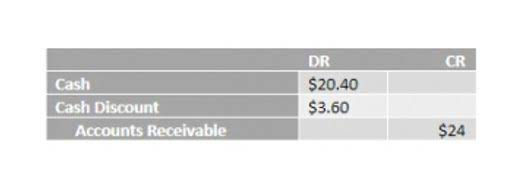
The system also captures a complete audit trail, so a record is always available of who prepared, approved, and reviewed a reconciliation, along with the date and time the action occurred. The following steps are typically performed for each balance sheet account in the general ledger. Adjust the cash balances in the business account by adding interest or deducting monthly charges and overdraft fees. Once the balances are equal, businesses need to prepare journal entries to adjust the balance per books.

What Causes Reconciliation Discrepancies?
This frequency should increase for larger organizations with greater numbers of transactions. As the name suggests, this approach creates a single entry for each transaction. Digital payment solutions like Apple Pay or Google Pay are on the rise, and they need to be reconciled too. Staying on top of inventory reconciliation can boost customer satisfaction, too, because you’ll know exactly what’s available for sale. Your business might need several different types, each designed for specific areas of your finances. Consistent account reviews help you see if your expenses are too high or if you need to cut back.
- Business owners need to trust that their financial records are accurate and complete.
- It’s commonly used to ensure payment data, transaction records, and account balances are correct.
- Reconciliation is also used to ensure there are no discrepancies in a business’s accounting records.
- Any discrepancy or difference detected is subject to a thorough investigation, followed by the implementation of relevant accounting adjustments.
- Accounting team members performing an account reconciliation may become frustrated if accounts are difficult to reconcile at month-end.
- Dividing responsibilities adds oversight and reduces the risk of fraud or accidental errors.
Bank reconciliation isn’t just important for maintaining accurate business finances—it also ensures your customer and business relationships remain strong. Regular bank reconciliation double-checks that all payments have been accurately processed. This includes payments by customers to your company and payments from your company to employees, contractors, and other goods and services providers. Conducting regular bank reconciliation helps you catch any fraud risks or financial errors before they become a larger problem. This includes everything from major fraud and theft to accounting miscalculations, insufficient funds, and incomplete or duplicated payments.

When she’s not writing, Barbara likes to research public companies and play Pickleball, Texas Hold ‘em poker, bridge, and Mah Jongg. Regular reconciliation not only audits the past transactions but sets a pattern for financial vigilance in the future. This method involves estimating past account activity levels and comparing them to current numbers. By analyzing these metrics, you can pinpoint areas where discrepancies may be occurring.
- For them, handling the resolution of the outstanding items in prescribed guidelines and timeframes makes the difference between a clean audit record and a regulatory breach that incurs penalties.
- Go through all transactions entered into internal records and compare them against similar transactions appearing in the bank statement.
- They can then look for errors in the accounting records for customers and correct these when necessary.
- When there are no unexplained differences, an accountant is able to sign off the process.
- Our partners in the customer’s country handle the collection with effective measures, including demand letters, calls and legal steps.
- Timing items include outstanding checks, deposits in transit, and pending bank transactions not yet posted to books.
- It is so that you can check that the transactions on the credit card statement match the transactions in the accounting system.
Performing immediate bank reconciliations for large cash amounts or suspicious transactions further increases your ability to catch fraud and error. Let’s take a look at a hypothetical company’s bank and financial statements to see how to conduct a bank reconciliation. If you find discrepancies between the balance sheet and supporting documents or other financial statements, investigate the causes. Once all differences have been resolved and the balances in the records match the accounting records, the reconciliation is concluded.
Using a schedule of general ledger accounts, analyze capital accounts by transaction for any additions or subtractions. The spreadsheet should include beginning balance, additions, subtractions, and any adjustments https://www.bookstime.com/ required for recording to agree with the general ledger ending balances for capital accounts. Real-time automated payment reconciliation reports are generated to reconcile with the general ledger when batch payment runs are completed using AP automation and global mass payments software.
- However, by following a systematic approach, businesses can simplify the reconciliation process and ensure accuracy.
- Uncleared items – This occurs when a transaction has been initiated but not yet cleared by the bank or other financial institution.
- Under this method, all the accounts are checked to ensure that the recorded and spent amounts are the same.
- In some cases, payment processing delays will lead to account discrepancies that are largely out of anyone’s control.
- It compares transactions between them to ensure both sides have recorded the same thing.
This seemingly simple concept becomes complex when applied across various areas such as bank accounts, subledgers, intercompany activity, inventory, payroll, and revenue. Cash and high-velocity clearing accounts may need daily or weekly reconciliation, while many accruals and lower-risk balance sheet accounts are appropriately reconciled monthly. Require preparers to classify each reconciling item (timing, error, unknown) and to include a resolution plan with owner and due date. Establish what is account reconciliation a monthly exception review meeting where unresolved items over a threshold are escalated. Over time, you should see fewer recurring items, fewer late reconciliations, and tighter confidence in cash and working capital reporting. Like bank reconciliation, credit card reconciliation compares each credit card transaction in your ledger with the credit card statement.
Reconciliation of account balances & transaction matching
Compare income tax liabilities to the general ledger account and adjust for any identifiable differences that https://ayut.ub.gov.mn/?p=604166 need recording via journal entry. Perform reconciliations monthly, if not weekly, to avoid accumulating unresolved discrepancies. A study by the Association of Certified Fraud Examiners (ACFE) found that 5% of annual revenue is lost to fraud, often due to inadequate financial oversight. Utilizing automated reconciliation tools can dramatically streamline the process and reduce errors.